




Introduction to Crusty Italian Bread
Making homemade bread has become a delightful trend among food enthusiasts, especially when it comes to creating a beautifully crusty Italian loaf. You might wonder why you should invest your time in baking bread when you can easily grab a loaf from the store. Well, let me tell you—there’s something incredibly satisfying about making crusty Italian bread from scratch.
Why Homemade Bread Beats Fast Food
Think about the last time you twisted open a plastic bag of store-bought bread. That convenience often comes at a cost: overly processed ingredients and preservatives that can compromise flavor. According to a study by the Harvard School of Public Health, homemade bread offers better nutritional value because you control the ingredients, ensuring they are fresh and wholesome.
Homemade bread brings several advantages:
- Flavor: There’s a richness to crusty Italian bread that’s hard to replicate in a commercially produced version. The blend of quality flour, water, salt, and yeast creates deep, wholesome flavor profiles that a bakery can’t always achieve.
- Freshness: You can enjoy your crusty Italian bread warm from the oven, a transformative experience that surpasses stale loaves from the grocery store.
- Creativity: Baking your own bread invites endless creativity. Experiment with different flours, herbs, and spices to tailor your loaf to your tastes.
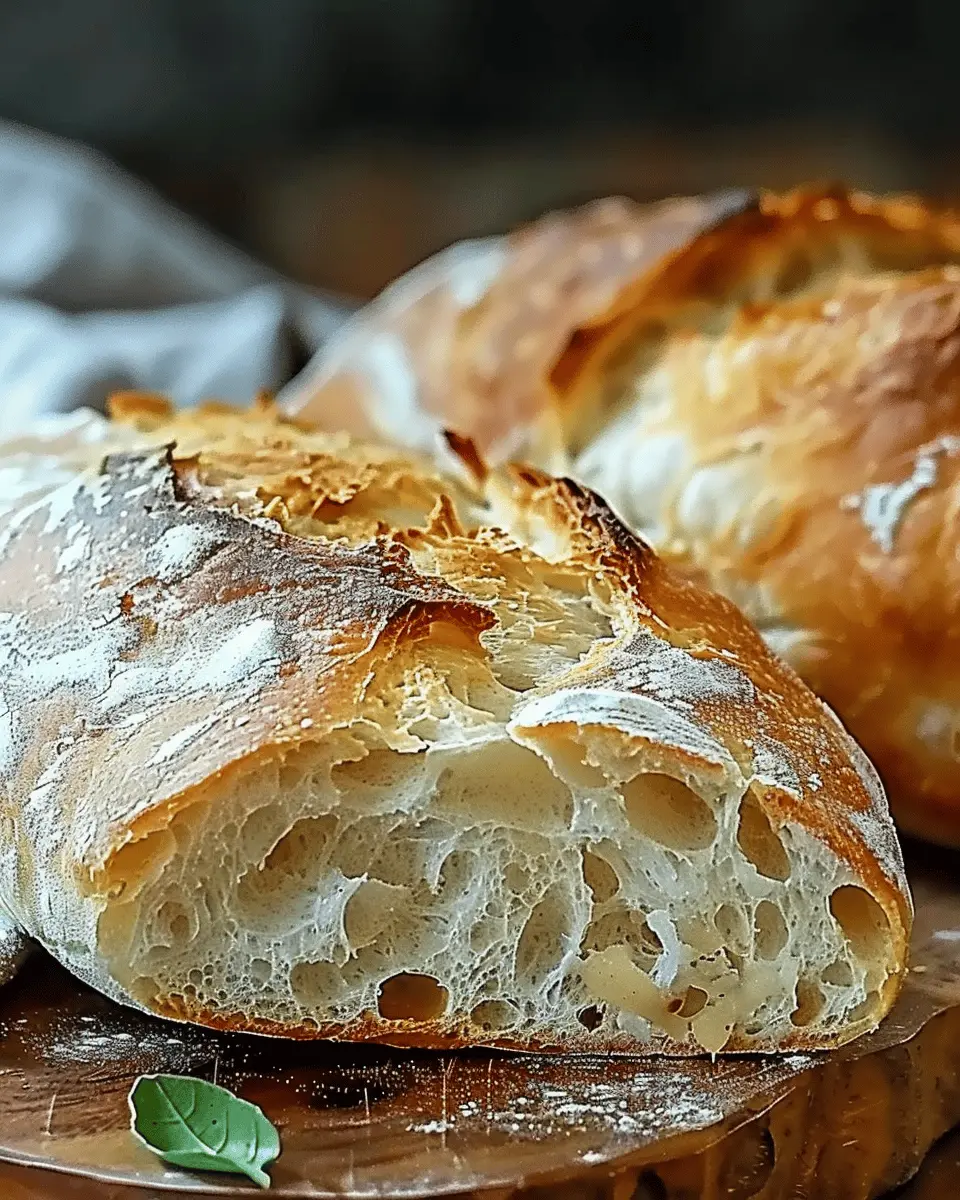
I still remember the first time I pulled a loaf out of the oven—golden brown with that irresistible crackling crust. It was an “aha” moment that transformed me into a lifelong bread maker. What can be more rewarding than sharing a fragrant loaf with family or friends on a cozy weekend?
When you make Italian bread at home, it becomes more than just a culinary task; it’s a way to connect with food and craft a dish that nourishes both body and soul. Plus, your kitchen will smell fantastic!
So, roll up your sleeves, and let’s dive into the art of making your very own crusty Italian bread. Your taste buds will thank you! For more inspiration on baking, check out this guide on innovative bread recipes.
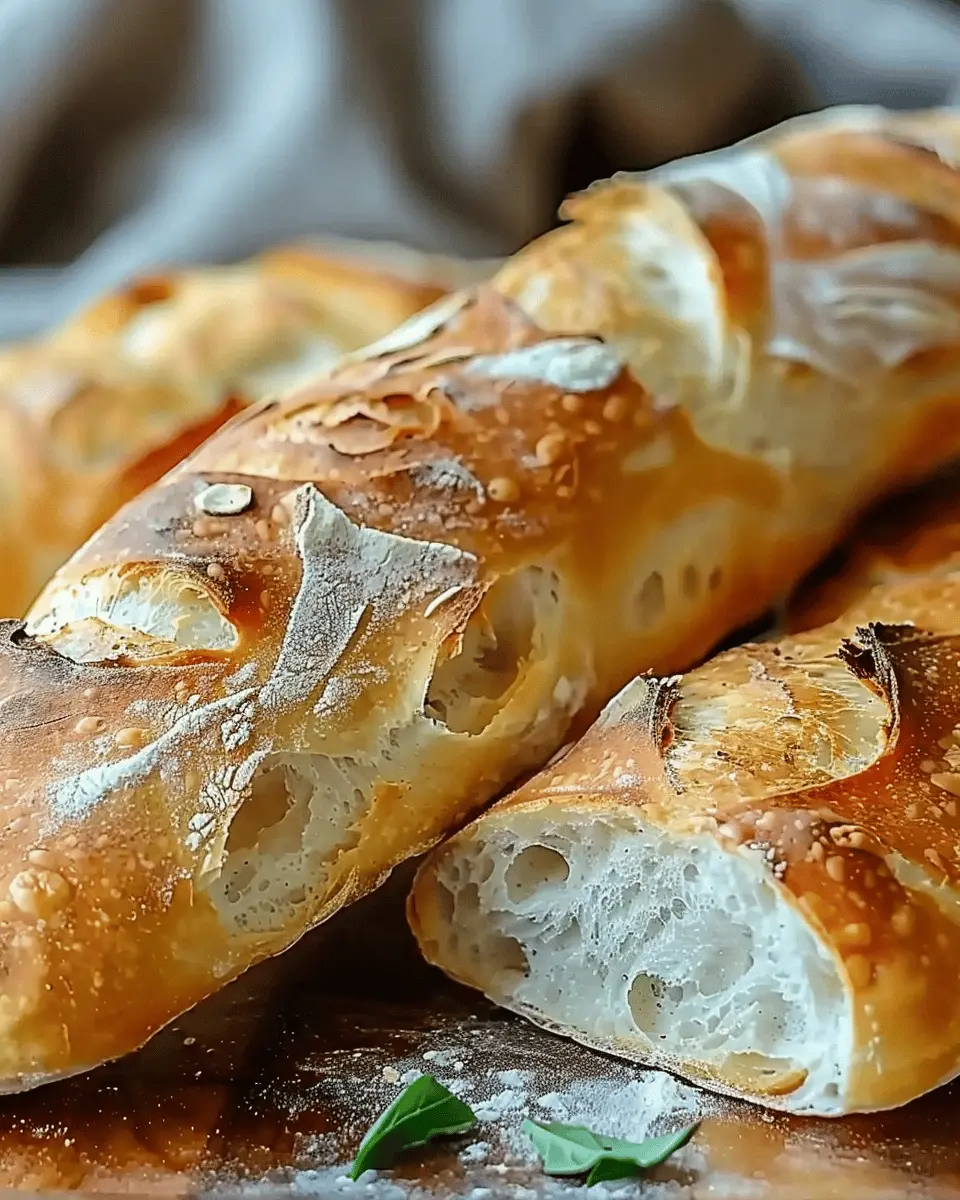
Ingredients for Crusty Italian Bread
When you think of crusty Italian bread, you envision that perfect golden crust with a soft, airy interior that begs to be torn apart. Making this delightful bread at home is simpler than you might think! Here’s what you’ll need:
Essential Ingredients
- Flour: 4 cups of all-purpose flour or bread flour work beautifully for achieving that desired texture.
- Water: 1 and 2/3 cups, lukewarm. This helps activate the yeast.
- Yeast: 2 teaspoons of active dry yeast to give your bread that impressive rise.
- Salt: 2 teaspoons of kosher salt for flavor. Salt not only enhances taste but controls fermentation.
- Olive Oil: 2 tablespoons. Using high-quality olive oil boosts flavor and adds richness.
Helpful Tips
Using high-gluten flour will enhance the crusty Italian bread’s chewiness, while ensuring you have the right technique is key to achieving that perfect crust. If you’re new to bread-making, consider checking out resources like the King Arthur Baking Company for expert advice!
Don’t worry if this seems like a lot—I promise it’s worth it. Picture the delight of tearing into a loaf you’ve made with your own hands. Ready to dig in? Let’s get baking!
Step-by-step Preparation of Crusty Italian Bread
Making your own crusty Italian bread is a delightful journey that not only fills your home with an amazing aroma but also satisfies your soul with every bite. Let’s dive into the steps that will guide you to achieving that crispy crust and soft center we all love.
Activate the yeast
To start, the magic of bread-making begins with activating the yeast. Grab a small bowl and add:
- 2 teaspoons of active dry yeast
- 1 teaspoon of sugar
- 1 cup of warm water (about 110°F or 43°C)
Stir gently and let this mixture sit for about 5-10 minutes. You’ll know it’s ready when it becomes frothy; this bubbly texture means your yeast is alive and ready to work its magic in your crusty Italian bread. If it doesn’t froth, don’t fret—just grab some fresh yeast and try again.
Mixing the ingredients
Once your yeast is frothy, it’s time to mix the ingredients. In a large mixing bowl, combine:
- 4 cups of all-purpose flour (plus extra for dusting)
- 2 teaspoons of salt
Make a well in the center and pour in the activated yeast mixture. Stir until a shaggy dough forms. Here, you can also include a splash of olive oil for added richness; it’s not essential, but it gives your bread a lovely flavor!
Knead the dough
Now for the fun part—kneading! On a well-floured surface, turn out your dough. Knead it with your hands for about 8-10 minutes. If the dough is too sticky, don’t hesitate to add a little more flour. The aim here is to develop the gluten so that your bread has a nice structure. You should end up with a smooth, elastic dough that bounces back when you poke it. This is where you can channel some stress too—kneading can be quite therapeutic!
First rise of the dough
Now, place your dough in a lightly oiled bowl, cover it with a damp cloth or plastic wrap, and let it rise in a warm place for about 1-2 hours, or until it doubles in size. This first rise is crucial as it allows the flavors to develop. Patience is key, and while you wait, maybe sip on some herbal tea or read a book—trust me, it’s worth it.
Shape the loaf
Once your dough has risen beautifully, it’s time to shape it. Gently punch down the dough to release the air and turn it out onto a floured surface. Shape it into a round or oval loaf, depending on your preference. Don’t stress about perfection—each loaf has its character!
Second rise and slashing the dough
Next, place your shaped loaf onto a parchment-lined baking sheet. Cover it with a cloth and let it rise for another 30-60 minutes. This second rise is essential for that lovely airy texture.
While your dough rises, preheat your oven to 450°F (232°C). Just before baking, use a sharp knife to make a few slashes on the top of your loaf—a technique that not only adds a rustic look but helps the bread expand while baking.
Preheat the oven and bake
Finally, it’s baking time! Place your loaf in the preheated oven, and if you want to achieve that impressive crust, throw a couple of ice cubes in a pan at the bottom of the oven to create steam. Bake for about 25-30 minutes or until the crust is golden brown and sounds hollow when tapped.
Let your crusty Italian bread cool on a wire rack—if you can resist slicing into it too soon! Enjoy it with some olive oil for dipping or alongside your favorite meals.
For more delicious bread-making tips, check out this resource on proper yeast handling from King Arthur Baking.
Making your own bread can be a rewarding experience, one that brings joy to both your kitchen and your table. Happy baking!
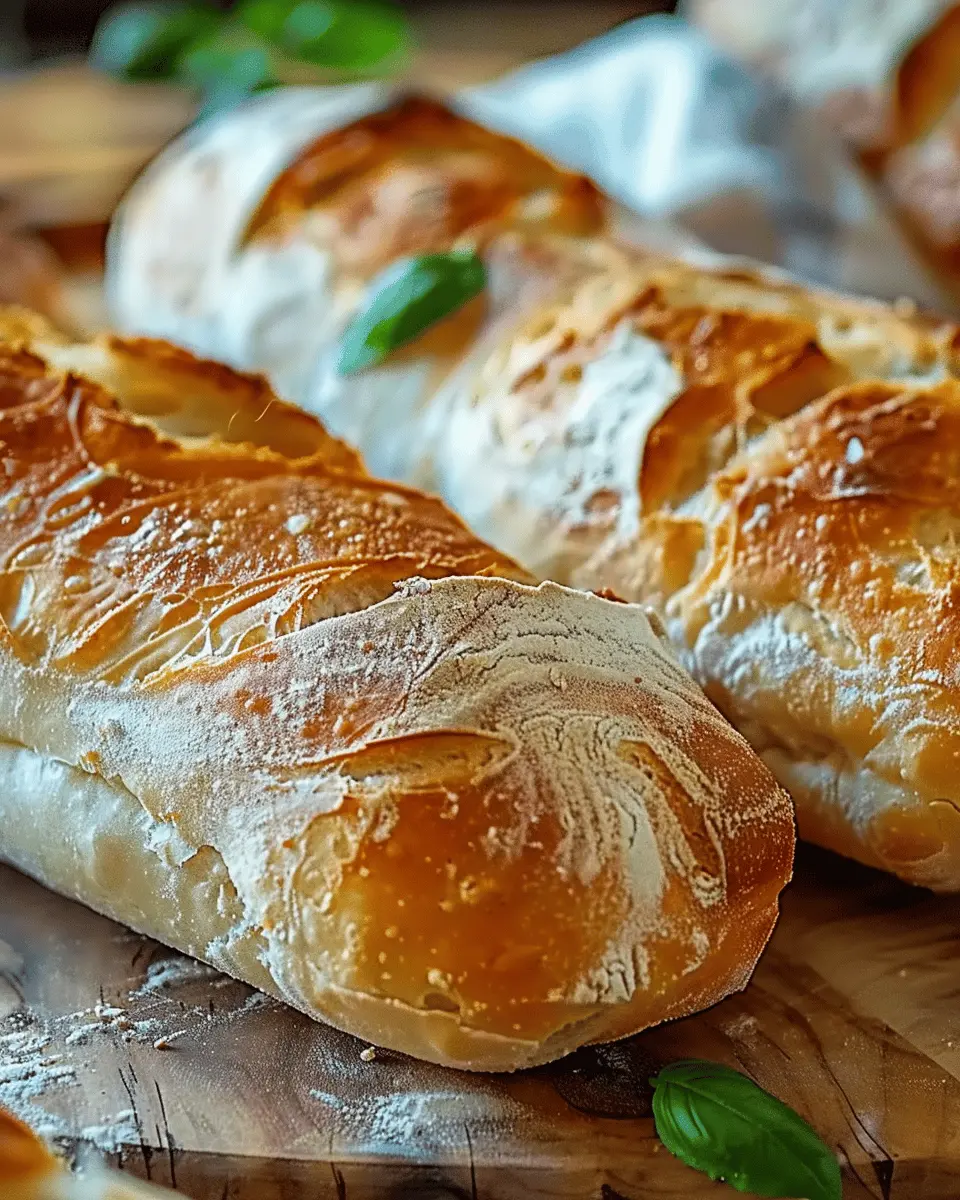
Variations on Crusty Italian Bread
Adding herbs and spices
Elevating your crusty Italian bread can be as simple as adding a handful of your favorite herbs or spices to the dough. Oregano, rosemary, and thyme bring an aromatic touch that perfectly complements meals. Or, if you’re in the mood for a bit of heat, try a dash of red pepper flakes for that extra kick.
Not sure where to start? Here are some tasty ideas:
- Garlic and oregano for a classic Italian flavor.
- Rosemary and sea salt for a fragrant twist.
- Fennel seeds for a unique, slightly sweet taste.
Experimenting with different combinations can yield delicious results, turning your humble loaf into a flavorful centerpiece for any meal. For some inspiration, check out this article on flavorful bread variations.
Creating different shapes and sizes
When it comes to crusty Italian bread, the shape can significantly impact both presentation and texture. Instead of the traditional boule, try shaping your dough into baguettes or even loaf pans for a sandwich-friendly version. You could make mini loaves for individual servings, which are perfect for gatherings or meal prep.
Each shape offers a unique crust and crumb structure. Smaller loaves bake more quickly and can achieve an impressive crust, while larger ones provide a soft interior that’s great for sandwiches or toast. Don’t forget to slash the tops before baking to allow for better expansion and develop that signature crusty exterior.
So, whether you’re whipping up a classic crusty Italian bread to pair with soup or experimenting with flavors and shapes, the possibilities are endless. Happy baking!
Baking Tips for Crusty Italian Bread
Creating crusty Italian bread at home is a delicious endeavor, and with a few tried-and-true tips, you’ll impress friends and family alike.
Use High-Quality Flour
Opt for bread flour over all-purpose. It contains more protein, which helps develop gluten and result in that perfect chewy texture.
Embrace the Steam
Steam is crucial for a crusty exterior. Place a pan of hot water on the oven’s bottom shelf while baking. Alternatively, spritz the dough with water just before closing the oven door.
Don’t Rush the Rise
Take your time during the fermentation stages. A longer first rise (bulk fermentation) will enhance the flavor and structure of the bread. Give your dough a stretch and fold every 30 minutes for the best results.
Practice Makes Perfect
The more you bake, the better your crusty Italian bread will turn out. Don’t get discouraged by early attempts; instead, think of each loaf as a step towards mastering the art of bread-making.
For more expert advice, check out resources from King Arthur Baking or The Bread Lab for scientific insights into bread development. Happy baking!

Serving Suggestions for Crusty Italian Bread
When it comes to enjoying crusty Italian bread, the possibilities are endless! This versatile loaf isn’t just a sidekick for soups and salads; it can take the spotlight in several delightful ways.
Breakfast Ideas
Start your day with a slice of toasted crusty Italian bread topped with creamy avocado and sprinkled with chili flakes. It’s a quick, nutritious breakfast that packs a punch. Don’t forget a side of turkey bacon for that extra protein kick!
Savory Snacks
In the afternoon, indulge in a classic bruschetta. Simply top your crusty bread with diced tomatoes, garlic, and basil. Drizzle with olive oil, and you’ve got a fresh, flavorful snack that’s sure to impress!
Sandwiches at Their Best
For lunch, try making a hearty sandwich featuring chicken ham, leafy greens, and a smear of pesto. The crusty texture of the bread holds up beautifully against the savory fillings, creating a satisfying bite every time.
Dipping Delight
Don’t overlook using fresh crusty Italian bread for dipping! Pair it with a rich olive oil and balsamic vinegar mix for a simple yet elegant appetizer. This pairing is perfect for dinner parties or casual gatherings, letting your guests experience the joy of Italian flavors without the fuss.
For more bread ideas, consider checking out sources like Food Network or Bon Appétit for inspiration.
So grab your ingredients and let your creativity shine with this fantastic loaf!
Time Breakdown for Crusty Italian Bread
When making crusty Italian bread, understanding the timing involved can help ensure a smooth baking experience. Let’s break it down!
Preparation time
For this recipe, you’ll want to set aside about 20 minutes for preparation. This includes mixing the flour, yeast, and water into a delightful dough.
Baking time
Once your dough has risen beautifully, it will take approximately 30 to 35 minutes in the oven. The key is to keep an eye on it until that golden-brown crust forms!
Total time
In total, you’re looking at around 3 hours and 5 minutes from start to finish. This might sound like a while, but remember that much of this time is passive, allowing the dough to rise. Perfect for those lazy weekends!
If you’re curious about the science of bread-making, check out resources like King Arthur Baking for expert tips! Happy baking!
Nutritional Facts for Crusty Italian Bread
When you bite into a slice of crusty Italian bread, you’re not just enjoying a delicious crust and airy interior; you’re also treating yourself to some essential nutrients. Here’s a quick overview of what this delightful bread offers:
Calories
Each slice of crusty Italian bread typically contains around 80-100 calories, making it a relatively light option for sandwiches or a side to your favorite dishes.
Protein
You can expect about 3 grams of protein per slice, which can be a great boost when combined with toppings like Turkey Bacon or Chicken Ham.
Sodium
With approximately 200-400 mg of sodium per slice, it’s a good idea to consider the saltiness of your overall meal plan, especially if you’re watching your salt intake. You can find more about sodium recommendations from reputable sources like the American Heart Association.
This crusty Italian bread is not only delicious but offers a fulfilling experience when enjoyed in moderation. How do you plan to enjoy your homemade loaf?
FAQs about Crusty Italian Bread
How can I ensure a perfect crust?
Getting that ideal, crackly crust on your crusty Italian bread is all about the baking conditions. Here are some tips to help you achieve it:
- Steam: Create steam in your oven by placing a pan of water at the bottom while preheating. This will help the bread expand and develop that beautiful crust.
- High Temperature: Bake at a high temperature (around 450°F) to get that golden, crunchy exterior.
- Preheat Properly: Make sure your oven is fully preheated before placing your dough inside; this timing is crucial for the crust formation.
What can I serve with crusty Italian bread?
Crusty Italian bread is incredibly versatile! Consider pairing it with:
- Soups: A hearty minestrone or tomato basil soup complements the bread wonderfully.
- Dips: Whip up a smooth olive tapenade or a roasted red pepper spread to elevate your bread experience.
- Salads: A fresh Caprese salad or a zesty arugula salad can make for a delightful meal when served with slices of crusty Italian bread.
Can I make it ahead of time?
Yes, you can! If you’re planning for a gathering or meal prep, here’s what you can do:
- Dough Preparation: You can prepare the dough and let it rise in the fridge overnight. Just remember to bring it back to room temperature before shaping and baking.
- Freezing: Bake your loaf, cool it completely, and then freeze. When you’re ready to enjoy, just reheat it in the oven for that fresh-out-of-the-oven taste.
For more bread-making tips, check out resources at King Arthur Baking or The Artisan Bread in Five Minutes a Day for inspiration. Baking bread can seem daunting, but once you try your hand at this crusty Italian bread, you’ll find it’s well worth the effort!
Conclusion on Crusty Italian Bread
In summary, crusty Italian bread is a delightful addition to any meal. Its golden crust and soft, airy interior make it perfect for everything from sandwiches to dipping in olive oil. The process of making this bread is not just about following a recipe—it’s an exciting adventure in baking. As you’ve discovered, the key is in the kneading and the rise time, which allows the flavors to develop beautifully.
Whether you enjoy it fresh or toasted with a bit of butter, this bread is sure to impress. So why not whip up a batch today? You’ll be glad you did!
For more inspiration and tips, check out King Arthur Baking and their extensive bread resources. Enjoy your baking journey!
PrintCrusty Italian Bread Made Easy: A Delightful Recipe for Home Bakers
Learn how to make crusty Italian bread at home with this easy recipe that yields delicious results.
- Prep Time: 15 minutes
- Cook Time: 30 minutes
- Total Time: 1 hour 45 minutes
- Yield: 1 loaf 1x
- Category: Breads
- Method: Baking
- Cuisine: Italian
Ingredients
- 4 cups all-purpose flour
- 1 ½ cups warm water
- 2 teaspoons salt
- 1 teaspoon sugar
- 2 teaspoons active dry yeast
Instructions
- In a large bowl, combine warm water, sugar, and yeast. Let it sit for 5 minutes.
- Stir in the flour and salt until a dough forms.
- Knead the dough for about 10 minutes until smooth.
- Place the dough in a greased bowl, cover it, and let it rise for 1 hour.
- Preheat your oven to 450°F (230°C).
- Shape the dough into a round loaf and place it on a baking sheet.
- Let it rise again for 30 minutes.
- Score the top of the loaf with a sharp knife and bake for 30 minutes.
- Let it cool before slicing.
Notes
- For a crispier crust, add a pan of water to the oven while baking.
- Feel free to add herbs or garlic for additional flavor.
Nutrition
- Serving Size: 1 slice
- Calories: 120
- Sugar: 1g
- Sodium: 200mg
- Fat: 1g
- Saturated Fat: 0g
- Unsaturated Fat: 0g
- Trans Fat: 0g
- Carbohydrates: 24g
- Fiber: 1g
- Protein: 4g
- Cholesterol: 0mg
Keywords: Crusty Italian Bread, bread recipe, home baking, Italian cooking