





Introduction to Easy Homemade Bread
Why making homemade bread is rewarding
Making your own bread can feel like a small act of magic in the kitchen. Have you ever watched dough transform from a sticky mess into a golden loaf? It’s both a science and an art, and it’s incredibly satisfying. As the aroma of baking bread begins to fill your home, you can’t help but feel a sense of accomplishment and warmth—a feeling that store-bought bread just cannot replicate.
There’s something deeply rewarding about creating food from scratch. It connects you with the process of cooking in a tangible way, allowing you to customize flavors and textures to your preference. Imagine biting into a crusty loaf warm from the oven or pulling apart a fresh slice layered with your favorite spreads. Homemade bread isn’t just delicious; it’s a love letter to your kitchen and your taste buds.
Benefits of easy bread recipes for young professionals
For many young professionals juggling work, social lives, and personal projects, the idea of making easy homemade bread might sound daunting. However, it can be a wonderfully restorative activity that fits seamlessly into a busy lifestyle. Here’s why embracing this culinary adventure can be beneficial:
-
Time-Efficient: With simple recipes, you can whip up a batch of bread in just a few hours, making it feasible even on a weeknight. The hands-on prep only takes about 15 minutes, while the dough does its thing in the background.
-
Stress Relief: Kneading dough can be remarkably therapeutic. It’s a physical activity that helps clear your mind—an ideal break from your screen-filled day.
-
Healthy Control: You get to choose your ingredients! This means you can easily avoid preservatives, control the amount of salt, and even incorporate whole grains or seeds for added nutrition.
If you’re curious about starting this journey, consider checking out resources like King Arthur Baking or The Kitchn for some beginner-friendly tips. With just a few basic ingredients, you’ll find that easy homemade bread not only nourishes your body but also nurtures your spirit. So why wait? Let’s dive into the world of bread-making together!

Ingredients for Easy Homemade Bread
Creating easy homemade bread is an art that anyone can master with the right ingredients. Here’s what you need to get started!
Essential ingredients for a basic loaf
To whip up a simple yet delicious loaf of bread, you’ll require the following ingredients:
- Flour: All-purpose flour is a favorite, but bread flour gives you a hearty texture.
- Yeast: Choose active dry yeast or instant yeast; both will work wonders.
- Water: Warm (not hot) water feeds the yeast, activating it for that perfect rise.
- Salt: Essential for flavor and controlling yeast activity.
- Sugar: Just a spoonful helps the yeast grow and adds a hint of sweetness.
For more keen insights into bread-making basics, check out this resource on King Arthur Baking.
Optional add-ins for flavor enhancement
Once you’ve nailed the basics, consider adding your favorite flavors. Here are some delightful options:
- Herbs: Fresh or dried herbs like rosemary or thyme can elevate your loaf.
- Seeds: Sprinkle in sunflower or sesame seeds for texture and crunch.
- Cheese: Adding shredded cheese can create a savory twist that’s perfect for sandwiches.
Have fun experimenting with these ingredients, and you’ll transform your easy homemade bread into a personalized masterpiece!
Step-by-step Preparation of Easy Homemade Bread
Making easy homemade bread can seem daunting at first, but with the right steps, you can create a delicious loaf from scratch right in your own kitchen! Let’s dive into each step that leads you to that crusty goodness.
Activating the yeast
The first step in bread-making involves activating the yeast, which is the magic that makes your bread rise. If you’re using dry yeast, begin by measuring out about 2 teaspoons of it and placing it in a bowl. Next, add 1 tablespoon of sugar and 1 cup of warm water (aim for around 110°F or 43°C). Stir gently to combine, then let it sit for about 5-10 minutes. You’re looking for frothy bubbles to form, which indicate that your yeast is alive and kicking! For a deeper dive into yeast varieties, check out this informative article from King Arthur Baking.
Mixing the dough
Once your yeast is happily activated, it’s time to mix your dough. In a large mixing bowl, combine 3 cups of all-purpose flour and a teaspoon of salt. Create a small well in the center and pour in your yeast mixture. Use a wooden spoon to bring the mixture together until a shaggy dough forms. If you’re feeling adventurous, you can add herbs, garlic powder, or even a sprinkle of cheese for a flavor boost!
Kneading to perfection
Kneading is where the magic really happens, giving the bread its texture and strength. Transfer your shaggy dough onto a lightly floured surface. Use the heel of your hand to push the dough away from you, then fold it back over itself. Repeat this process for about 10 minutes. As your dough transforms into a smoother and elastic texture, you’re hitting a stride! Not sure if you’re done? A good rule of thumb is to perform the “windowpane test” — stretch a small piece of dough, and if it holds its shape without tearing, you’re all set.
Letting the dough rise
Place your kneaded dough in a lightly greased bowl and cover it with a damp cloth or plastic wrap. This prevents the dough from drying out. Let it rise in a warm place (like your oven with the light on) for about 1 to 1.5 hours, or until it doubles in size. This process is essential as it builds flavor and creates the airy texture you want.
Shaping your loaf
Once your dough has risen, gently punch it down to remove excess air. Transfer it back to the floured surface and shape it into a loaf. You can create a classic sandwich loaf or a round boule — the choice is yours! Just remember to tuck the edges under to create a smooth top. For an expert guide on shaping techniques, explore Food52’s baking guide.
The second rise
Place your shaped loaf in a greased loaf pan or on a baking sheet lined with parchment paper. Once again, cover it and let it rise for another 30-45 minutes. This step is crucial for ensuring your bread has a good texture and volume. You’ll notice it puffing up again, which is a satisfying sight!
Baking the bread
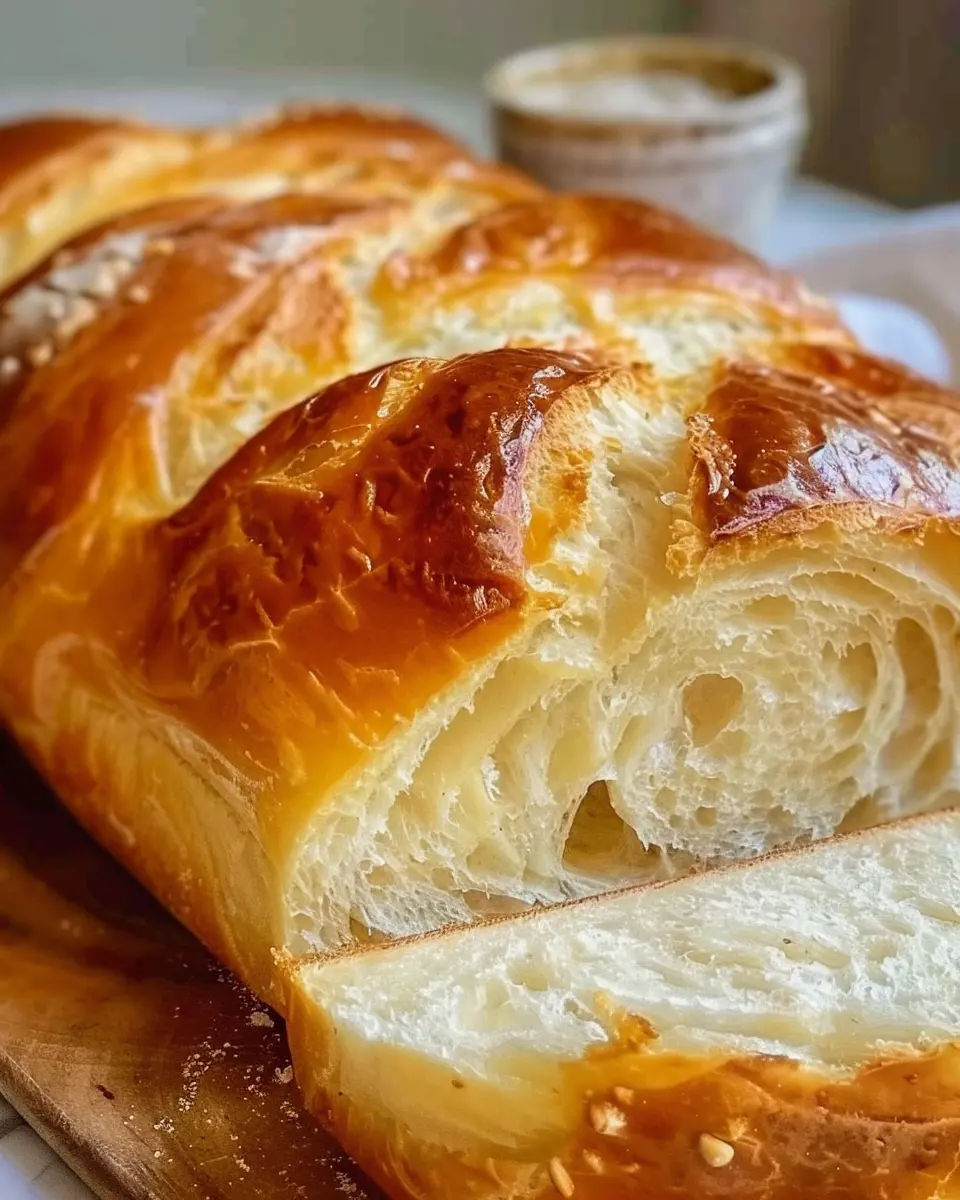
Preheat your oven to 375°F (190°C) to get it nice and hot while your dough finishes rising. When ready, bake your loaf for about 30-35 minutes. You’ll know it’s done when it’s golden brown and sounds hollow when tapped on the bottom. For added flair, you can brush the top with melted butter or a milk wash before baking for a lovely shine.
Once chilled slightly, slice into your homemade masterpiece and enjoy the delightful aroma filling your home. Whether it’s served with a spread or as a side with your favorite dish (perhaps with Turkey Bacon and Chicken Ham), there’s nothing quite like warm, crusty bread! Enjoy your baking journey!
Variations on Easy Homemade Bread
When it comes to easy homemade bread, the beauty lies in its versatility! You can transform a simple loaf into something extraordinary with just a few changes. Here are some delightful variations to inspire your baking journey.
Herbal Bliss: Herb-Infused Homemade Bread
Imagine the aroma of fresh herbs wafting through your kitchen as your bread bakes. Adding herbs like rosemary, thyme, or basil can make all the difference. Simply chop up your favorite herbs and mix them into your dough during the kneading stage. Not only does it enhance flavor, but it also adds a touch of gourmet flair to your meals.
A Nutritious Twist: Whole Wheat Option
Looking for a healthier version? Whole wheat bread is a fantastic option that packs in more fiber and nutrients. Just substitute half or all of the white flour with whole wheat flour. Keep in mind that whole wheat flour absorbs more liquid, so you might need to adjust your water-to-flour ratio. Want to dive deeper into the health benefits? Check out this article on whole grains by the Academy of Nutrition and Dietetics.
Crunch and Munch: Adding Seeds and Nuts for Texture
For those who love a hearty bite, throw in a mix of seeds or nuts! Sunflower seeds, pumpkin seeds, or walnuts not only enhance the texture but also boost nutritional value. Just a handful mixed into the dough will give your bread an inviting crunch. Plus, seeds are a great source of healthy fats.
Get creative and let your taste buds lead the way! Whether you choose to make easy homemade bread with herbs, whole grains, or added textures, each variation offers a delightful experience that’s both satisfying and comforting. Happy baking!
Baking Notes for Easy Homemade Bread
Understanding the importance of ingredient temperature
When making easy homemade bread, the temperature of your ingredients plays a critical role. For instance, using warm water (around 110°F) helps activate the yeast, leading to a better rise. Cold ingredients can slow down fermentation, resulting in dense bread. Make sure your butter or milk is at room temperature to mix smoothly and evenly, ensuring a uniform texture throughout.
Tips for achieving the perfect crust
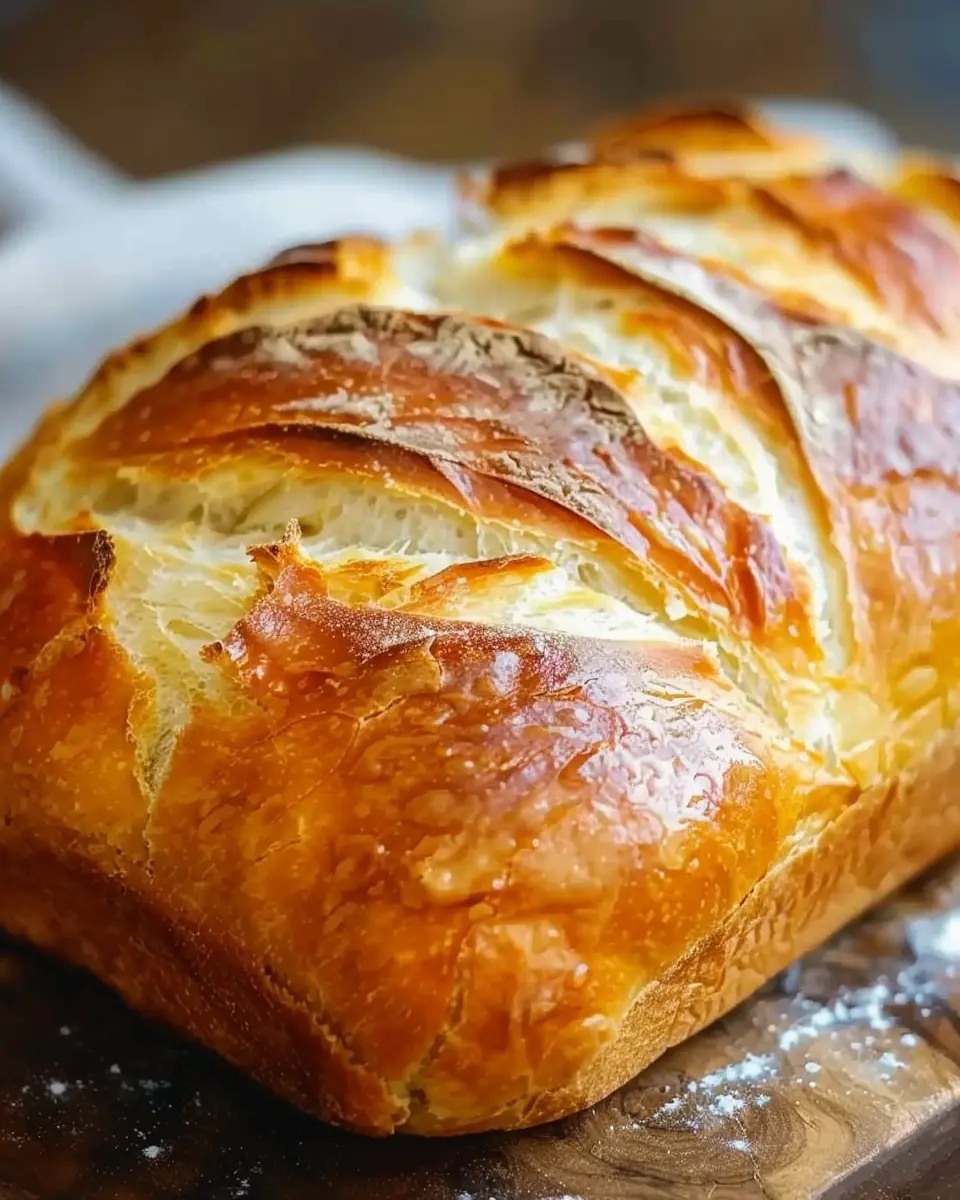
Creating a delightful crust is all about two things: steam and temperature. To get that beautiful golden-brown exterior, consider placing a pan with water in your preheated oven. The steam helps develop a crisp crust. Also, preheat your oven properly; baking bread straight into a hot oven locks in moisture and gives an excellent rise.
Lastly, keep an eye on your loaf towards the end of the baking time. If you notice it browning too quickly, tent it with aluminum foil to prevent burning.
For more baking inspiration and tips, check out sources like King Arthur Baking and Serious Eats. Happy baking!
Serving Suggestions for Easy Homemade Bread
There’s something delightful about easy homemade bread that invites creativity in serving. Here are some delicious ideas to enhance your bread experience.
Ideas for serving with spreads
Enhance the charm of your freshly baked bread by pairing it with various spreads. Consider these options:
- Herbed Butter: Mix softened butter with fresh herbs like basil or chives for a burst of flavor.
- Avocado Smash: Top your bread with smashed avocado, a sprinkle of salt, and a dash of lemon for a refreshing treat.
- Hummus: This protein-packed option can be whipped into a delightful spread, offering a healthy twist.
For a twist on classic flavors, try experimenting with seasonal fruit jams or artisanal cheeses. The key is to play around and find what you love!
Pairing bread with meals
Your easy homemade bread is an ideal companion for a variety of meals. Here are some pairing ideas:
- Soups and Stews: Crusty bread is perfect for soaking up hearty broths.
- Salads: Serve alongside a vibrant salad for a filling lunch.
- Sandwiches: Use slices to create mouthwatering sandwiches with turkey bacon or chicken ham for a quick meal.
Each option brings out the unique texture and taste of your homemade creation, making every bite a celebration of flavors! For more inspiration, check out thekitchn.com for incredible meal ideas.
Tips for Making Perfect Easy Homemade Bread
Common Mistakes to Avoid
Creating the perfect easy homemade bread can sometimes feel daunting, especially if you’ve faced a few mishaps in the kitchen. Here are some common mistakes to steer clear of:
- Skipping the Proofing: Allow your yeast to bloom by combining it with warm water and sugar before mixing. This will ensure your bread rises beautifully.
- Over-kneading: While it’s tempting to knead until smooth, overworking the dough can lead to a dense loaf. Aim for 5-7 minutes of gentle kneading.
- Ignoring Temperatures: Make sure your ingredients, especially liquids, are at room temperature. Cold ingredients can shock the yeast and hinder rise.
For a deeper dive into bread-making science, check out King Arthur Baking for their expert tips.
Tools to Make Baking Easier
Investing in a few key tools can elevate your easy homemade bread experience:
- Stand Mixer: If you bake frequently, a stand mixer with a dough hook can save time and effort.
- Digital Kitchen Scale: Measuring ingredients by weight provides accuracy, resulting in better texture and taste.
- Bread Pan: A good-quality, non-stick bread pan will help your loaf release effortlessly.
Remember, baking is as much about the right tools as it is about technique. With these tips, you’re well on your way to mastering homemade bread! Happy baking!
Time Details for Easy Homemade Bread
Preparation time
Preparing your easy homemade bread doesn’t take long—about 15-20 minutes to mix your ingredients and knead the dough. Once you see that dough coming together, the aroma of fresh bread will start to fill your kitchen!
Rising time
The magic happens during the rising phase. Your dough will need about 1-2 hours to rise, depending on the warmth of your kitchen. This is your chance to relax or tackle other tasks—how about prepping some delicious toppings to go with that bread?
Baking time
When your dough has doubled in size, it’s time for the oven! Bake your bread for 25-30 minutes. You’ll know it’s ready when it’s golden brown and sounds hollow when tapped.
Total time
So, if you’re counting, the total time for making this delightful loaf is roughly 2 to 2.5 hours. A small investment for homemade comfort, don’t you think?
For more bread-making tips, check out King Arthur Baking for expert insights!
Nutritional Information for Easy Homemade Bread
Calories per slice
On average, each slice of easy homemade bread contains about 80 to 100 calories, depending on the ingredients used. This makes it a satisfying yet light option for sandwiches or toast.
Key nutrients
Homemade bread can be a great source of essential nutrients, including:
- Carbohydrates: Your body’s main energy source.
- Fiber: Important for digestion, especially if you use whole grain flour.
- Protein: Helps with muscle repair and growth.
- B vitamins: These play a vital role in energy metabolism.
Health benefits of homemade bread
Opting for easy homemade bread allows you to control all the ingredients—no preservatives or artificial additives. Plus, it can be tailored to suit dietary needs, whether you’re gluten-free or looking to add seeds for extra crunch. According to the Whole Grains Council, consuming whole grains can reduce the risk of heart disease and diabetes, making your homemade loaves a nutritious choice!
Overall, making your own bread doesn’t just fill your kitchen with delightful aromas; it’s a wholesome way to nourish your body. Want to learn more about the health impacts of whole grains? Check out articles from the Harvard T.H. Chan School of Public Health for detailed insights.
FAQs about Easy Homemade Bread
How do I know if my bread is done?
The bake time can vary based on your oven and the recipe, but there are reliable signs to know when your easy homemade bread is perfectly cooked. First, check the color; it should be a lovely golden-brown. Then, tap the bottom of the loaf—if it sounds hollow, it’s ready! Additionally, using a kitchen thermometer can be a game-changer: bread is typically done when it reaches an internal temperature of 190°F to 200°F. Need further guidance? Check this helpful guide for expert tips.
Why didn’t my bread rise?
If your easy homemade bread didn’t rise, don’t be too hard on yourself; it happens to the best of us! There are a few common culprits to consider:
- Yeast: Ensure your yeast is fresh. If it’s expired, it won’t activate properly.
- Temperature: The water used for blooming should be warm, around 110°F. Too hot or too cold can hinder yeast activity.
- Sugar: Yeast loves a bit of sugar, so if you didn’t add it, that might be why.
Consider experimenting with these factors next time to achieve that perfect rise!
Can I freeze homemade bread?
Absolutely! Freezing is a fantastic way to save your delicious easy homemade bread for later. After letting your bread cool entirely, wrap it tightly in plastic wrap or aluminum foil, and then place it in an airtight freezer bag. It can be stored for up to three months! When you’re ready to enjoy it, simply thaw at room temperature or pop it in the oven for a few minutes to refresh its crust. Want to learn more about freezing bread? Check out this in-depth article for additional insights.
With these FAQs in your back pocket, you’re well on your way to baking delicious bread that your friends and family will love!
Conclusion on Easy Homemade Bread
Recap of the Joys of Baking
Baking is more than just a task; it’s an art filled with joy and creativity. Crafting easy homemade bread not only fills your kitchen with delightful aromas but also offers a unique sense of accomplishment. There’s something about kneading the dough and watching it rise that brings a smile to your face. Plus, the moment you take that golden loaf out of the oven? Pure magic!
Encouragement to Try Making Bread at Home
If you’ve never tried making easy homemade bread, I encourage you to give it a shot. It’s surprisingly simple! You’ll find comfort in the process, and the rewards—fresh, warm bread—are immeasurable. Whether it’s for a cozy dinner or a holiday gathering, homemade bread is a heartwarming touch. Dive into this culinary adventure, and don’t hesitate to share your experiences! There are so many resources, like King Arthur Baking and The Bread Lab, to guide you. Embrace the challenge; you might just surprise yourself!
PrintEasy Homemade Bread: The Best Recipe for Fresh, Fluffy Loaves

Learn how to make easy homemade bread that is fresh, fluffy, and delicious!
- Prep Time: 15 minutes
- Cook Time: 35 minutes
- Total Time: 1 hour 50 minutes
- Yield: 1 loaf 1x
- Category: Bread
- Method: Baking
- Cuisine: American
- Diet: Vegetarian
Ingredients
- 4 cups all-purpose flour
- 1 tablespoon sugar
- 2 teaspoons salt
- 1 packet instant yeast (about 2 1/4 teaspoons)
- 1 and 1/2 cups warm water
- 2 tablespoons olive oil
Instructions
- In a large bowl, combine flour, sugar, salt, and yeast.
- Add warm water and olive oil to the dry ingredients and mix until a rough dough forms.
- Knead the dough for about 10 minutes until smooth and elastic.
- Place the dough in a greased bowl, cover it with a towel, and let it rise for 1 hour or until doubled in size.
- Punch down the dough, shape it into a loaf, and place it in a greased loaf pan.
- Cover and let it rise again for about 30 minutes.
- Bake in a preheated oven at 375°F (190°C) for 30-35 minutes until golden brown.
- Cool before slicing and enjoy!
Notes
- For added flavor, consider mixing in herbs or spices.
- Make sure the water is warm but not too hot to avoid killing the yeast.
Nutrition
- Serving Size: 1 slice
- Calories: 120
- Sugar: 1g
- Sodium: 200mg
- Fat: 2g
- Saturated Fat: 0g
- Unsaturated Fat: 1g
- Trans Fat: 0g
- Carbohydrates: 24g
- Fiber: 1g
- Protein: 4g
- Cholesterol: 0mg
Keywords: Easy Homemade Bread